
Healthy eating with psoriasis
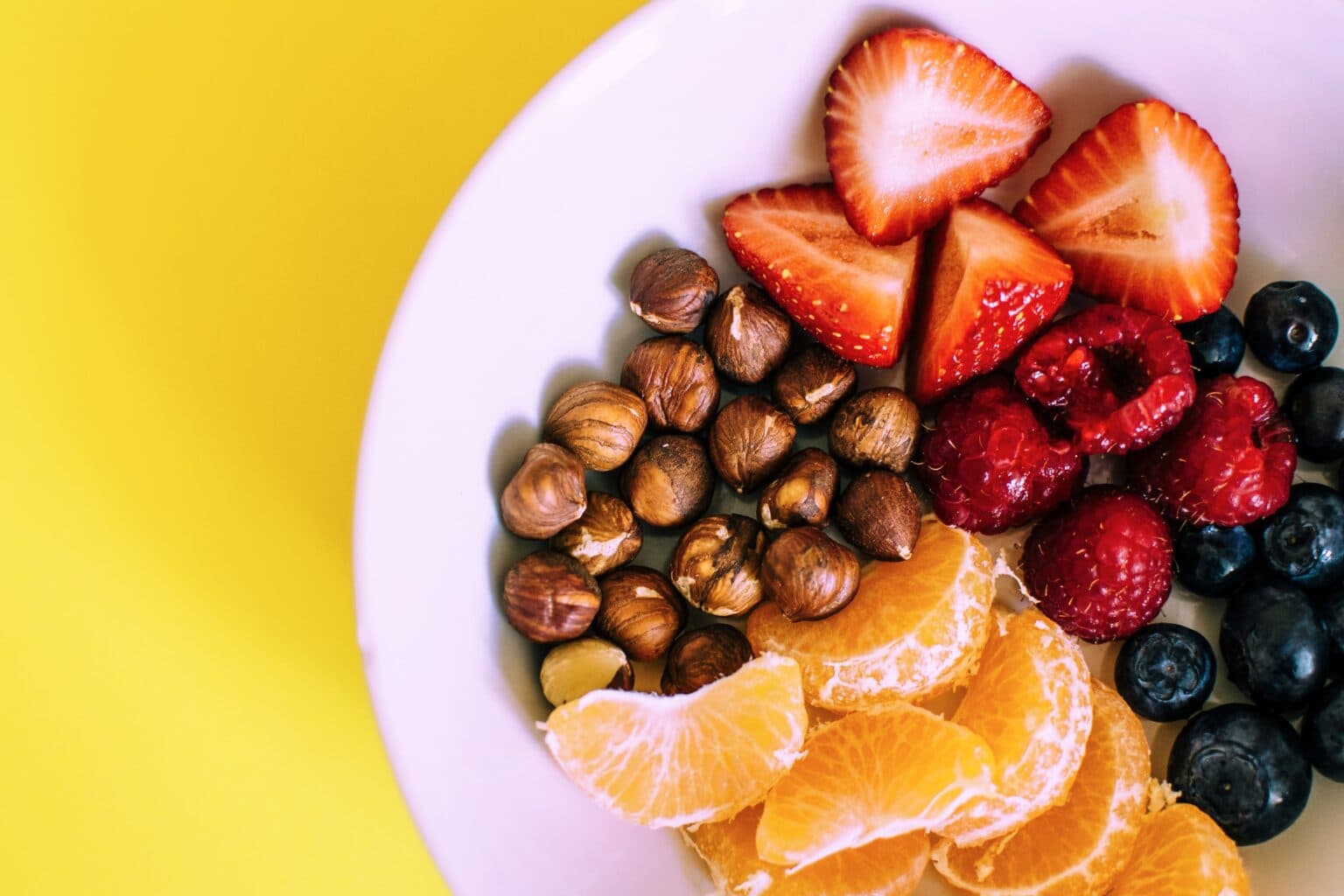
Many people with psoriasis wonder how their diet affects the condition. As a general rule, there is no special psoriasis diet and no rule that applies to everyone. But a healthy, balanced diet can contribute to your well-being and support the treatment of your psoriasis. It complements treatment but does not replace it.
Reducing excess weight
Body weight is an important factor. Psoriasis is linked to a higher risk of certain metabolic and cardiovascular diseases, such as high blood pressure or diabetes. Excess weight increases this risk even further. A healthy diet and a body weight in the normal range can help lower the risk of these diseases. Studies also show that losing weight can improve psoriasis in people who are overweight. You can read more about this in Psoriasis and excess weight.
There is also evidence that a diet high in saturated fatty acids may promote inflammation and have an unfavorable effect on psoriasis. Saturated fatty acids are found mainly in animal products such as meat, sausage and butter, but also in convenience foods, baked goods and sweets. A diet low in animal products and highly processed foods may therefore have a beneficial effect. In a small randomized study from Spain, 16 weeks of a Mediterranean diet with plenty of vegetables, legumes and olive oil improved skin symptoms in mild to moderate psoriasis.
Tips for healthy eating
Plenty of fruit and vegetables
Fruit and vegetables are rich in vitamins, fiber and phytochemicals. Many of these substances are among the so-called antioxidants. During inflammation, the body produces free radicals, aggressive oxygen compounds that can promote further inflammatory processes. Antioxidants can neutralize these free radicals.
Healthy fats
The saturated fatty acids found in many animal foods are suspected of promoting inflammation. Fats from plant sources are the better choice. Plant oils such as canola oil or flaxseed oil contain omega-3 fatty acids, which are thought to have an anti-inflammatory effect. Nuts and oily fish such as salmon or herring are also rich in healthy fats. Dietary supplements such as fish oil capsules, on the other hand, are not recommended by medical societies for treating psoriasis.
Whole grains
When it comes to grain products, whole-grain versions are preferable to products made from white flour because they contain more nutrients and keep you full longer. Eating whole-grain products may also lower the risk of cardiovascular disease and diabetes.
Drink enough
Instead of sugary drinks such as soft drinks or undiluted fruit juices, water or other low-calorie drinks such as unsweetened tea are better for quenching your thirst. Studies suggest that alcohol may have an unfavorable effect on psoriasis. So it's best to drink it only in small amounts or not at all. You can read more about this in Psoriasis and alcohol.
Prepare food gently and eat calmly
Gentle cooking methods such as steaming or braising in a little fat or water keep nutrient loss during cooking low and are often easier to digest than frying or deep-frying. If you take time for your meals instead of eating in a hurry, you enjoy them more mindfully and chew your food better, which takes the strain off your stomach. You also notice more easily when you start to feel full.

Tolerance of foods is individual
Some people with psoriasis notice a link between eating certain foods and their psoriasis getting worse. Those affected mention spicy seasonings such as chili or pepper, coffee and especially fatty foods such as fatty sausage in particular.
However, everyone reacts differently, and there is no general rule for "good" or "bad" foods with psoriasis. A balanced, varied diet provides the body with many nutrients and contributes to well-being. A food diary can also help you eat more mindfully and spot possible links with your condition.
Keep in mind: There is no one-size-fits-all diet for psoriasis; tolerance of foods is always individual. If you want to make major changes to your diet, talk to your dermatologist.
Sources
- Duchnik E, Kruk J, Tuchowska A, Marchlewicz M. The Impact of Diet and Physical Activity on Psoriasis: A Narrative Review of the Current Evidence. Nutrients, 2023. doi:10.3390/nu15040840
- Ford AR et al. Dietary Recommendations for Adults With Psoriasis or Psoriatic Arthritis From the Medical Board of the National Psoriasis Foundation: A Systematic Review. JAMA Dermatology, 2018. doi:10.1001/jamadermatol.2018.1412
- Perez-Bootello J et al. Mediterranean Diet and Patients With Psoriasis: The MEDIPSO Randomized Clinical Trial. JAMA Dermatology, 2025. doi:10.1001/jamadermatol.2025.3410
- Morrow S et al. Impact of weight-loss interventions on psoriasis severity: A systematic review and meta-analysis. Journal of the European Academy of Dermatology and Venereology, 2025. doi:10.1111/jdv.70247
- Schuppenflechte (Psoriasis). gesund.bund.de, Bundesministerium für Gesundheit, 2021 (in German). gesund.bund.de/schuppenflechte-psoriasis