
Should I eat a vegan diet to ease my psoriasis symptoms?
Psoriasis is a chronic skin condition that affects millions of people worldwide. Symptoms range from painful inflammation to uncomfortable skin rashes that can have a big impact on daily life. Faced with these challenges, many people with psoriasis look for ways to ease their symptoms and improve their quality of life. One question that comes up again and again is the role of diet.
That's why today we want to answer the question: Should I eat a vegan diet if I have psoriasis? This question has become increasingly important in recent years as more and more people recognize the potential benefits of a vegan lifestyle.
In this article, we take a close look at this question and examine the pros and cons for people with psoriasis.
What is a vegan diet?
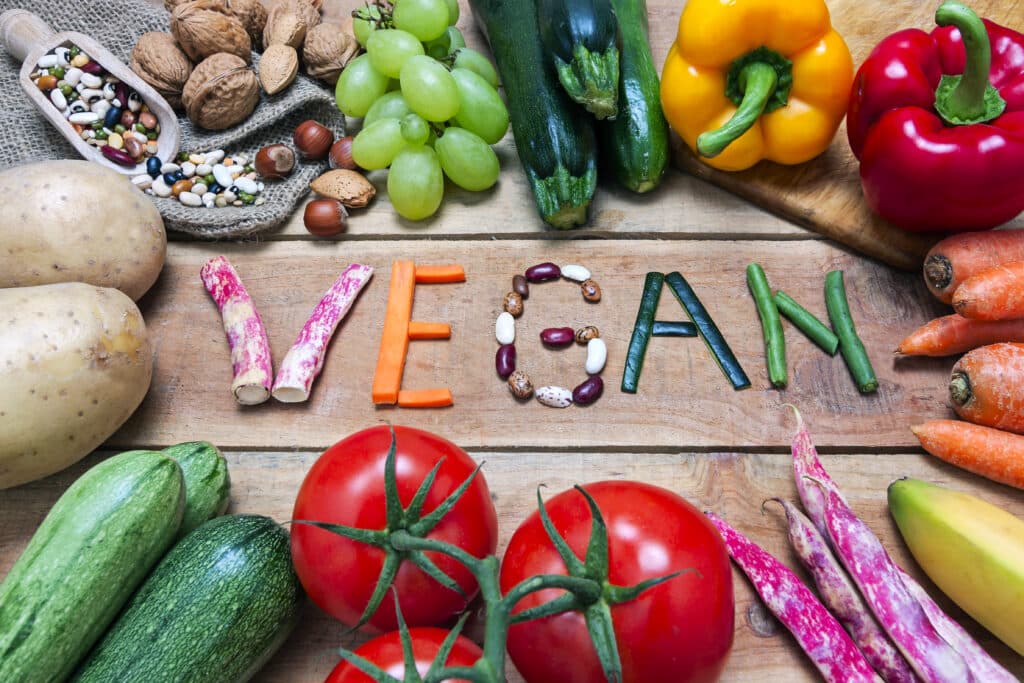
A vegan diet is not just a diet but rather a way of life that aims to avoid animal products in food completely. This means vegans don't eat any foods that come from animals, including meat, fish, eggs, milk and other dairy products such as cheese and yogurt. Instead, their diet consists mainly of plant foods such as fruit, vegetables, grains, legumes, nuts and seeds. The focus is on eating a wide variety of plant foods to make sure you get enough of all the nutrients you need. Veganism often goes beyond diet, however, and extends to other areas of life such as clothing, cosmetics and personal care products, to avoid the exploitation of animals and to protect the environment.
The reasons behind a vegan diet
The principles of a vegan diet are based on the ethical approach of minimizing animal suffering and protecting the environment. A central principle is the belief that animals should not be exploited for human food. Vegans also value promoting sustainability and protecting the environment, because producing animal foods is often linked to higher resource use and environmental impact. Veganism is very climate-friendly because it saves CO2 ((mass) animal farming produces a lot of CO2).
So the principles of a vegan diet emphasize not only individual health but also the protection of animals and the planet.
Nutrients: What to watch out for
If you eat a vegan diet with psoriasis for a longer time or permanently, you should make sure you get enough of all nutrients and minerals. Of course, that applies to other diets too. On a vegan diet, you should pay particular attention to vitamins B2, B12 and D and to your calcium intake. Vitamin B12 in particular is found mainly in animal foods, but it is very easy to replace with supplements. Take the time to learn about your new way of eating so you can eat a balanced, healthy diet without animal products. As always, aim for a balanced meal plan with lots of fresh ingredients. If you want to raise your children vegan from an early age, get thorough advice from a doctor.
The link between diet and psoriasis

How diet has an effect
Diet can play a role in how psoriasis develops and progresses. Research suggests that certain foods and eating habits can affect the immune system, which in turn can affect psoriasis symptoms. Some studies suggest that an anti-inflammatory diet rich in fruit, vegetables, whole grains and healthy fats can help reduce inflammation in the body and so also ease the inflammatory reactions in the skin that are linked to psoriasis.
Trigger foods for psoriasis
Although psoriasis triggers can vary from person to person, there are certain foods that can make symptoms worse for people with psoriasis. These usually include highly processed foods, sugary snacks, alcoholic drinks and foods high in saturated fat. In addition, intolerances, for example to gluten or lactose, can make psoriasis worse in some people. Identifying and avoiding these trigger foods can help keep symptoms under control and improve the course of the condition. If you suspect you have a food intolerance, have it checked by a doctor.
The role of nutrients and antioxidants
Nutrients play an important role in keeping skin healthy, especially with psoriasis. A balanced diet rich in vitamins, minerals and antioxidants can help strengthen the skin barrier, reduce inflammation and support the regeneration of skin cells. Certain nutrients such as omega-3 fatty acids, vitamin D, vitamin E and zinc have been linked to positive effects on psoriasis symptoms. With a targeted diet that provides enough of these nutrients, people with psoriasis may be able to support their skin health and reduce the severity of their symptoms.
Pros and cons of a vegan lifestyle with psoriasis
Benefits of eating vegan with psoriasis
Whether a vegan diet helps with psoriasis has not been proven, but some aspects may be beneficial. By avoiding animal products and focusing on plant foods, you may be able to cut down on potential trigger foods that could make psoriasis symptoms worse. In addition, a plant-based diet is often rich in antioxidant nutrients that can help reduce inflammation and support skin health. By eating omega-3 fatty acids from plant sources such as flaxseed, chia seeds and walnuts, people with psoriasis can also benefit from anti-inflammatory properties that may help ease symptoms. A balanced, plant-focused diet can also help lower the risk of related conditions that often come with psoriasis.
Possible downsides or challenges of eating vegan with psoriasis
Despite the potential benefits of a vegan diet with psoriasis, there can also be some challenges. People with psoriasis need to make sure they get all the nutrients they need from plant sources to avoid a possible deficiency. Getting enough vitamin B12, which is found mainly in animal products, is especially critical. A vegan diet may therefore require careful planning and, if needed, vitamin B12 supplements. Talk to your doctor about this.
In addition, avoiding animal products can be challenging in social situations and when eating out, and may take extra attention and planning. It's important for people with psoriasis to tailor their diet to their own needs and, if needed, work with a nutrition expert or doctor to make sure they get all the nutrients they need and can control their symptoms effectively.
Eating vegan with psoriasis: Current scientific findings
There are only a few studies that have looked at whether a vegan diet helps with psoriasis. They found no significant effect of a vegan diet on psoriasis.
Recommendations and tips for a balanced vegan diet
Choosing foods: psoriasis-friendly vegan foods
When putting together a vegan diet, it's important to focus on foods that have anti-inflammatory properties and are rich in nutrients that can support skin health. These include fruit and vegetables rich in antioxidants such as vitamin C and vitamin E, as well as foods that contain omega-3 fatty acids, such as flaxseed, chia seeds and walnuts. Whole grains, legumes and nuts can also be an important source of essential nutrients such as fiber, protein and minerals, which can help keep skin healthy.
Using supplements to make sure you get enough nutrients
To make sure people with psoriasis get all the nutrients they need, certain supplements can be useful. Vitamin B12 in particular, which is found mainly in animal products, can be an important supplement for vegans to avoid a deficiency. Vitamin D, omega-3 fatty acids and zinc can also be considered as supplements to make sure nutrient intake is sufficient and skin health is supported.
Why individual adjustments and medical advice matter
Everyone is unique, so it's important for people with psoriasis to tailor their diet to their own needs and, if needed, work with a nutrition expert or doctor. Professional advice can help you develop an individual meal plan that contains all the nutrients you need and fits your treatment. Doctors or nutrition specialists can also help identify potential trigger foods and choose suitable supplements to ensure the best possible treatment.
A vegetarian diet as a possible alternative for people with psoriasis
The effects of a vegetarian diet on the skin and psoriasis have also been studied scientifically. There is some evidence that this way of eating can be good for the condition of your skin. The scientists speculated that the vegetarian diet improved the gut flora, which in turn improved the skin.
Another study showed that psoriasis symptoms were also eased by a vegetarian diet. However, these results still need to be studied in more detail.
It has already been shown scientifically that diet can have an effect on inflammatory diseases.
Conclusion
In this article, we looked at whether a vegan diet can be beneficial for people with psoriasis. It's important to stress that diet is not a cure-all, but only one part of a holistic approach to treating psoriasis. We looked at the possible benefits of a vegan diet, but also at challenges such as getting a balanced supply of nutrients. There are only a few studies that have looked at whether a vegan diet affects psoriasis. They found no significant effect of a vegan diet on psoriasis.
However, it has already been shown scientifically that diet in general can have an effect on inflammatory diseases. A balanced diet that is rich in nutrients and tailored to your needs can help ease symptoms and improve quality of life for people with psoriasis. A long-term vegetarian diet could have at least small positive effects on your skin health.
You can find more information on diet and psoriasis in this article: A gluten-free diet for psoriasis?
Outlook on further research and development in diet and psoriasis
Research into the link between diet and psoriasis is a constantly evolving field, and there are still many open questions and opportunities for future studies. More research is needed to better understand the specific effects of different diets on the course of psoriasis and to develop well-founded recommendations for people with psoriasis. Future studies could also uncover new approaches to treating psoriasis through diet and help further improve the quality of life of people with psoriasis.
Sources
Flores-Balderas X, Peña-Peña M, Rada KM, Alvarez-Alvarez YQ, Guzmán-Martín CA, Sánchez-Gloria JL, Huang F, Ruiz-Ojeda D, Morán-Ramos S, Springall R, Sánchez-Muñoz F. Beneficial Effects of Plant-Based Diets on Skin Health and Inflammatory Skin Diseases. Nutrients. 2023 Jun 22;15(13):2842. doi: 10.3390/nu15132842. PMID: 37447169; PMCID: PMC10343921.
https://pubmed.ncbi.nlm.nih.gov/11840688/ (accessed January 4, 2024)
https://pubmed.ncbi.nlm.nih.gov/37762741/ (accessed January 4, 2024)