
Cortisone: good or bad?
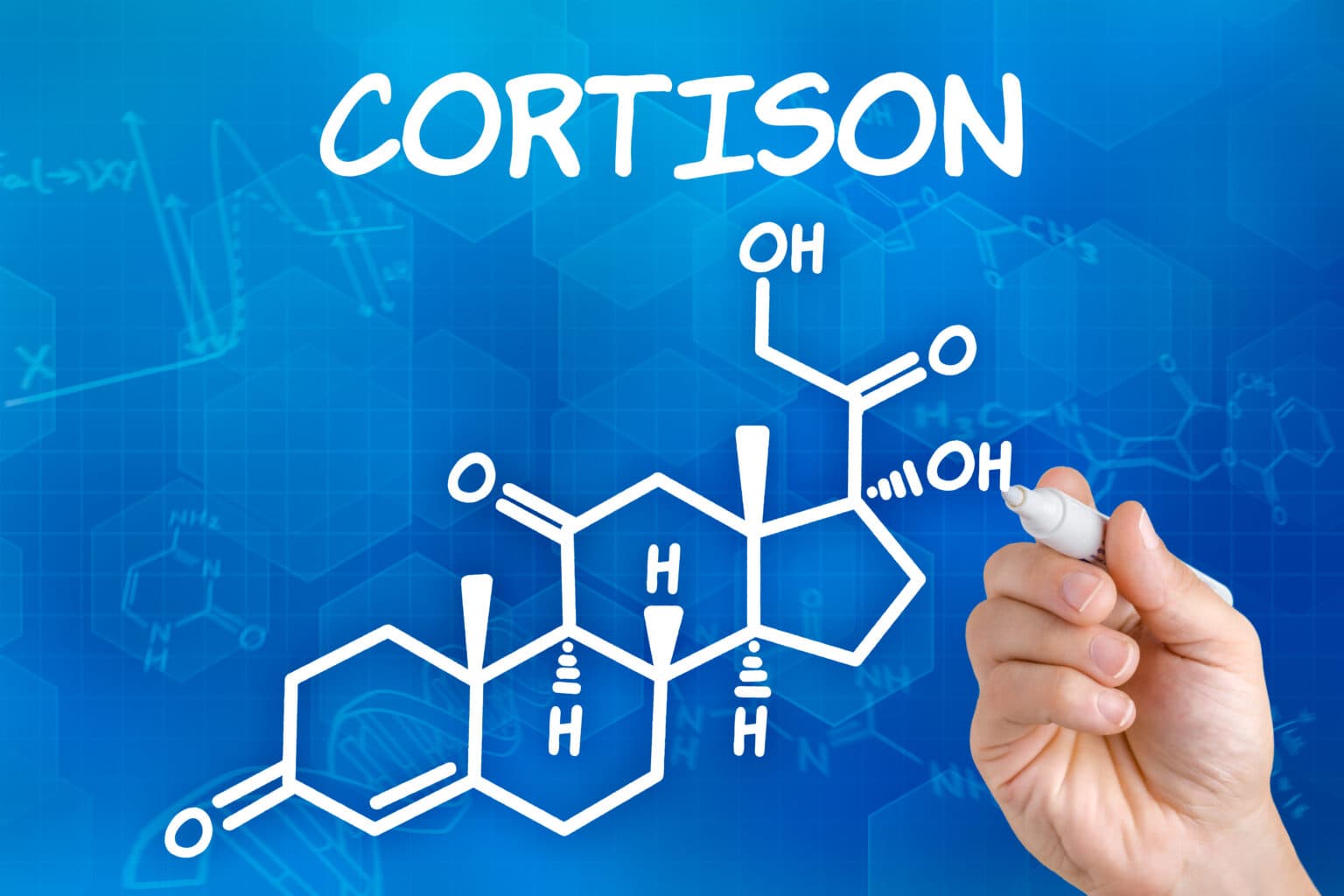
Cortisone has a bad reputation. Many patients are worried when they hear the word cortisone and are afraid of being treated with it. The fear of side effects such as weight gain, acne or broken bones is widespread.
Yet when used correctly, cortisone is a very effective medication that works quickly and well for inflammatory conditions. The medications commonly referred to as cortisone are derived from the body's own hormone cortisol. They are also called glucocorticoids, or corticosteroids for short, and are used for a wide range of inflammatory and allergic conditions.
How cortisol works in the body
Cortisol is produced in the body by the adrenal cortex and has many functions, including in metabolism and in the immune system. In the body's cells, it helps provide energy and affects sugar metabolism. Cortisol also plays a role in regulating the balance of minerals (potassium, sodium) and blood pressure. The immune system is influenced by cortisol as well: the hormone dampens immune responses and inflammation.
This effect on the immune system is what glucocorticoids are used for as medications. During inflammation, the body's cells release certain inflammatory messengers that trigger the typical symptoms of inflammation such as redness, swelling, warmth or pain. Cortisone counteracts the inflammatory response by entering the cells and blocking the production of these messengers.
Using cortisone correctly
Especially in inflammatory skin conditions and rheumatic diseases, which include psoriatic arthritis, cortisone quickly reduces inflammation and can relieve symptoms fast.
For psoriasis of the skin, cortisone is mainly applied externally, as a cream, ointment, solution, foam or shampoo, often in combination with a vitamin D3 derivative. Because it is applied directly where it is needed, the risk of side effects in other organs is low. According to the German S3 guideline, cortisone tablets are not among the recommended medications for treating psoriasis of the skin. You can read more about treatment options applied to the skin in the article on topical therapy.
If the use of cortisone is properly planned and monitored, most unpleasant side effects can be avoided. According to the guideline, the risk depends mainly on three things: the strength of the product, the area of the body and how long it is used. The face, neck, genital area and skin folds are particularly sensitive; the scalp, palms and soles of the feet much less so. A cortisone product is usually applied once a day and, once things improve, slowly tapered off, meaning it is used less often or replaced with a milder product.
Short-term use is usually well tolerated
The main problem is using it for too long or at too high a dose, as this can lead to unwanted effects. In the past, there was less experience with the medication, and it was used for too long and at too high doses. That is why many people still mostly associate the word cortisone with negative things today. Osteoporosis, muscle loss, infections or delayed growth in children are examples of side effects that can occur with long-term internal use at high doses. With creams and ointments, the main possible effect is thinning of the skin (skin atrophy) when strong products are used for a long time.
When used for a short time and as directed by a professional, cortisone is usually well tolerated. Other medications are also available for long-term treatment, for example vitamin D3 derivatives for the skin or systemic therapies.
Before you skip cortisone treatment out of fear, share your concerns with your dermatologist. If cortisone is not used, or used only irregularly, it cannot have the desired effect and your psoriasis will not be treated adequately. Also, do not stop a prescribed cortisone product on your own; talk to your doctor first. Together you will find the right approach to treatment with cortisone.
Sources
- Deutsche Dermatologische Gesellschaft (DDG) et al.: S3-Leitlinie „Therapie der Psoriasis vulgaris“, AWMF-Registernummer 013-001, 2025, Appendix A (Topische Therapie, Kapitel Glukokortikosteroide) (in German). register.awmf.org/de/leitlinien/detail/013-001
- Castela E et al.: Topical corticosteroids in plaque psoriasis: a systematic review of efficacy and treatment modalities. Journal of the European Academy of Dermatology and Venereology, 2012. doi.org/10.1111/j.1468-3083.2012.04522.x