
Treating scalp psoriasis
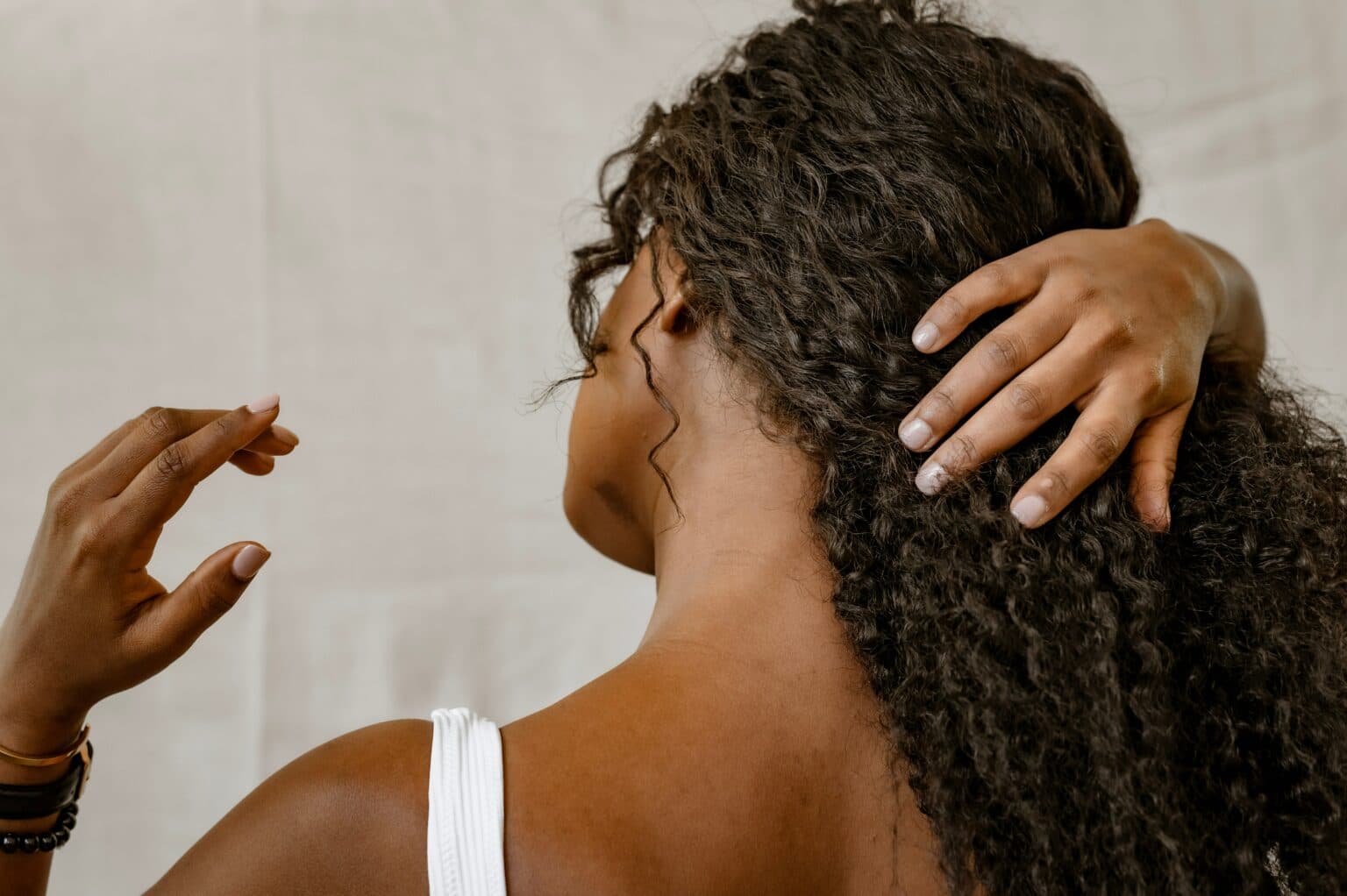
Psoriasis on the scalp is a common problem: up to 80% of patients with psoriasis are affected by it. On top of that, the hair on the head makes treatment even harder. Creams and other products applied to the skin only partly reach the scalp and can quickly make hair look greasy and unkempt.
Treatment takes patience. The medications often have to be used regularly for several weeks before symptoms improve. Still, it is possible to get the symptoms under control, and early treatment can also reduce the risk of hair damage and hair loss.
Treatment depends on severity
Scalp psoriasis can be classified as follows, depending on how widespread and how severe it is:
mild: less than 50% of the scalp affected, mild redness and scaling, slight thickening of the skin and little itching
moderate: less than 50% of the scalp affected, moderate redness and scaling, more pronounced thickening of the skin and itching
severe: more than 50% of the scalp affected, intense redness, heavy scaling, extremely thickened skin, hair loss with scarring, spreading beyond the scalp (hairline, forehead)
Topical medications (applied to the skin) for treating the scalp are available as shampoos, emulsions, solutions, gels or foams. Which form works best can vary from person to person and also depends on personal preference.
For example, solutions come into less contact with the hair and can be easier to apply to the scalp, while creams stay more effectively where they are needed. Treatments that remove scales also help, so the active ingredients can reach the skin better.
Topical medications for mild scalp psoriasis
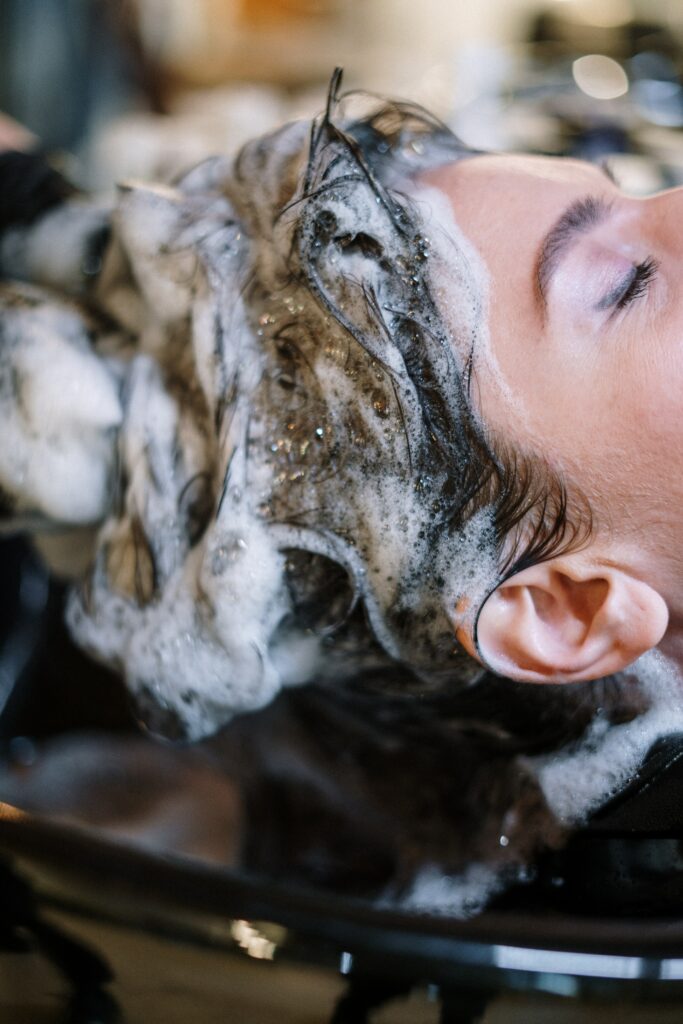
Mild and moderate forms of scalp psoriasis are usually treated with topical cortisone products applied to the skin. Because they work well and are well tolerated when used short term, they are among the most important medications for treating scalp psoriasis. For mild forms of scalp psoriasis, foam products or wash-out shampoos are often a good choice and work well enough.
Topical vitamin D3 analogs are also often used. Vitamin D3 analogs work best when used in combination with topical cortisone products. However, the benefit of the combination is less pronounced on the scalp than for psoriasis on the rest of the body.
Treating moderate psoriasis with stronger cortisone products
Because of the heavy scaling in moderate scalp psoriasis, it can make sense to prepare the scalp for treatment with scale-removing products. For this, products containing salicylic acid, for example, are used for a few days to help loosen the scales.
Topical cortisone products and vitamin D3 analogs are also recommended first for treating the symptoms of moderate scalp psoriasis. While shampoos with short contact times are usually enough for milder forms, a lotion or foam may be better suited when more of the scalp is affected.
Removing scales is important in severe scalp psoriasis
In severe scalp psoriasis, removing the scales is an important part of treatment. Cortisone products come in different strength classes, and for severe scalp involvement, stronger topical products are usually prescribed. If the psoriasis is more widespread, internal treatment with tablets or injections may be necessary, for example with so-called biologics. You and your doctor decide together which treatment is an option for you.
Light therapy may also be an option in more severe cases. Because hair can keep UV light from reaching the scalp, there are so-called UV combs that you can use on your own at home after being shown how. With the UV comb, the scalp is treated with light step by step in small sections.
Treatment can take patience
Treatment for scalp psoriasis always depends on how severe and how widespread it is, and it is always tailored to the individual case. Treatment often takes a long time and is time-consuming. That is why there is a risk that people do not stick closely enough to the treatment recommendations. However, carrying out the treatment carefully and regularly is important for it to work.
In everyday life, it can also help to avoid irritating your scalp as much as possible, for example by not blow-drying your hair or using too many styling products. In the next article, you'll find some useful tips and habits to help you be gentle on your scalp. → Useful tips for dealing with psoriasis on the scalp
Sources:
- Merola JF, Qureshi A, Husni ME. Underdiagnosed and undertreated psoriasis: Nuances of treating psoriasis affecting the scalp, face, intertriginous areas, genitals, hands, feet, and nails. Dermatol Ther. 2018 May;31(3):e12589. doi: 10.1111/dth.12589. Epub 2018 Mar 6. PMID: 29512290; PMCID: PMC6901032.
- Honma M, Hayashi K. Psoriasis: Recent progress in molecular-targeted therapies. J Dermatol. 2021 Jun;48(6):761-777. doi: 10.1111/1346-8138.15727. Epub 2021 Jan 6. PMID: 33404109.
- Blakely K, Gooderham M. Management of scalp psoriasis: current perspectives. Psoriasis (Auckl). 2016 Mar 29;6:33-40. doi: 10.2147/PTT.S85330. PMID: 29387592; PMCID: PMC5683126.
- Sticherling M. Psoriasis capitis und seborrhoisches Ekzem der Kopfhaut [Psoriasis capitis and seborrhoic eczema of scalp diseases]. Hautarzt. 2017 Jun;68(6):457-465. German. doi: 10.1007/s00105-017-3986-4. PMID: 28567508.
- https://www.aad.org/public/diseases/psoriasis/treatment/genitals/scalp-shampoo/ (external), accessed March 1, 2022
- https://www.psoriasis.org/scalp/ (external), accessed March 1, 2022